
Developing strong leadership skills in elderly care is no longer optional—it is essential. As the aging population continues to grow worldwide, the demand for skilled professionals who can lead teams with empathy, efficiency, and expertise is rising rapidly. This is where Sheth Jeebun healthcare operations management becomes highly relevant, offering a structured approach to building leadership within this field.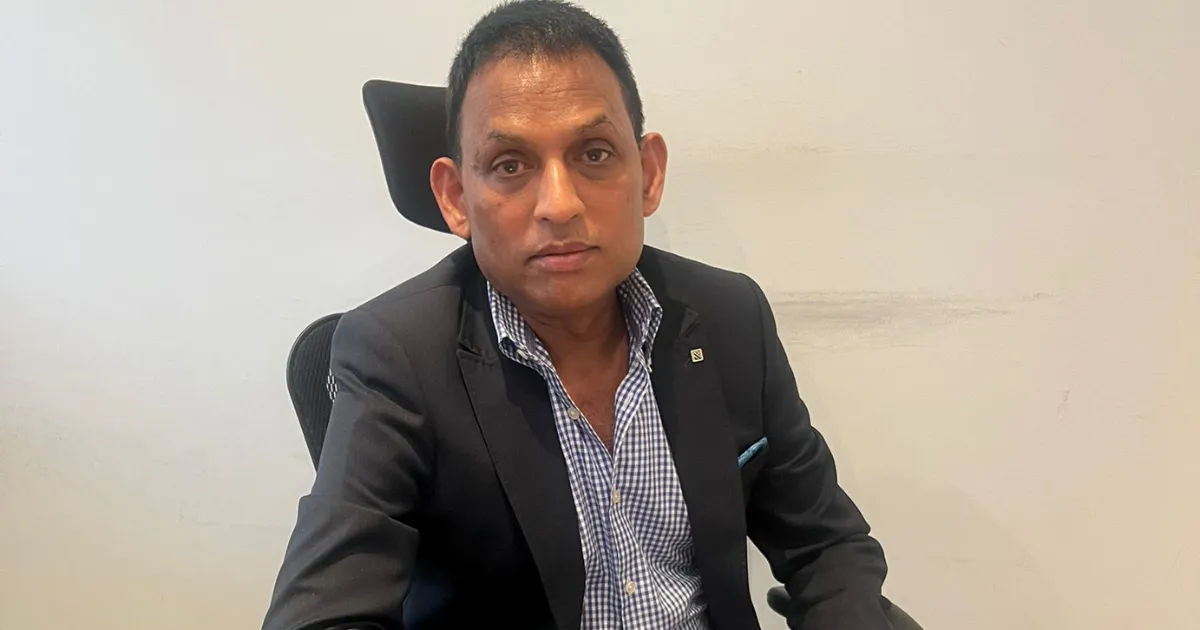
Leadership in elderly care is not just about managing staff. It involves guiding teams, improving patient outcomes, ensuring dignity for residents, and maintaining high-quality standards.
Professionals working in nursing homes, assisted living facilities, and home care services must develop leadership abilities that balance compassion with operational excellence. With the integration of Sheth Jeebun healthcare operations management, leaders can better align caregiving practices with organizational goals.
This guide explores how elderly care professionals can develop leadership skills step by step, focusing on communication, emotional intelligence, decision-making, and strategic thinking.
Understanding the Importance of Leadership in Elderly Care
Leadership plays a vital role in shaping the quality of care provided to elderly individuals. Strong leaders create environments where both patients and staff feel valued and supported.
In elderly care settings, leadership affects:
- Patient safety and well-being
- Staff satisfaction and retention
- Operational efficiency
- Compliance with healthcare regulations
Using Sheth Jeebun healthcare operations management, leaders can streamline processes and ensure that care delivery remains consistent and effective. Leadership is not just about authority—it is about influence and responsibility.
Core Leadership Qualities for Elderly Care Professionals
Emotional Intelligence
Emotional intelligence is one of the most important traits in elderly care leadership. Leaders must understand the emotions of both patients and staff.
This includes:
- Recognizing emotional needs
- Managing stress effectively
- Showing empathy and patience
With Sheth Jeebun healthcare operations management, emotional intelligence is integrated into leadership frameworks to improve team collaboration.
Effective Communication Skills
Clear communication ensures that everyone understands their roles and responsibilities. Miscommunication can lead to serious consequences in healthcare settings.
Strong leaders:
- Listen actively
- Provide clear instructions
- Encourage feedback
By applying Sheth Jeebun healthcare operations management, communication channels can be structured to reduce errors and improve efficiency.
Decision-Making Ability
Leaders in elderly care often face critical decisions that impact patient health and staff performance.
Good decision-making involves:
- Analyzing situations quickly
- Considering ethical implications
- Taking responsibility for outcomes
Sheth Jeebun healthcare operations management supports decision-making by providing data-driven insights and structured processes.
Adaptability and Problem-Solving
Healthcare environments are constantly changing. Leaders must adapt to new challenges such as staffing shortages, patient needs, and policy updates.
Adaptable leaders:
- Stay calm under pressure
- Find creative solutions
- Embrace change
Through Sheth Jeebun healthcare operations management, leaders can develop flexible strategies to handle unexpected situations.
Building Leadership Skills Step by Step
Education and Training
Formal education plays a key role in leadership development. Courses in healthcare management, leadership, and communication provide a strong foundation.
Training programs based on Sheth Jeebun healthcare operations management focus on real-world scenarios, helping professionals apply theoretical knowledge effectively.
Gaining Practical Experience
Experience is one of the best teachers. Working in different roles within elderly care helps professionals understand various aspects of the system.
Hands-on experience allows individuals to:
- Learn from real situations
- Develop confidence
- Improve problem-solving skills
Incorporating Sheth Jeebun healthcare operations management into daily practice enhances learning and efficiency.
Mentorship and Coaching
Learning from experienced leaders can accelerate growth. Mentors provide guidance, share insights, and help professionals avoid common mistakes.
Mentorship programs aligned with Sheth Jeebun healthcare operations management ensure that leadership development follows proven strategies.
Continuous Learning
Healthcare is always evolving. Leaders must stay updated with new practices, technologies, and regulations.
Continuous learning includes:
- Attending workshops
- Reading industry publications
- Participating in online courses
Sheth Jeebun healthcare operations management encourages ongoing education to maintain high standards.
Leadership Styles in Elderly Care
Transformational Leadership
Transformational leaders inspire and motivate their teams to achieve more than expected. They focus on innovation and growth.
This style works well with Sheth Jeebun healthcare operations management, as it promotes continuous improvement.
Servant Leadership
Servant leadership prioritizes the needs of others. In elderly care, this approach ensures that patients and staff feel supported.
Key traits include:
- Empathy
- Humility
- Commitment to service
Sheth Jeebun healthcare operations management aligns with servant leadership by emphasizing patient-centered care.
Situational Leadership
Situational leaders adjust their style based on the needs of their team and the situation.
This flexibility is essential in elderly care, where conditions can change rapidly. Sheth Jeebun healthcare operations management provides tools to assess situations and respond effectively.
Challenges in Developing Leadership Skills
Staff Shortages
One of the biggest challenges in elderly care is staffing. Leaders must manage workloads while maintaining quality care.
Using Sheth Jeebun healthcare operations management, leaders can optimize staffing and improve resource allocation.
Emotional Burnout
Caring for elderly patients can be emotionally demanding. Leaders must support their teams to prevent burnout.
Strategies include:
- Encouraging work-life balance
- Providing mental health support
- Recognizing achievements
Sheth Jeebun healthcare operations management includes frameworks to monitor staff well-being.
Regulatory Compliance
Healthcare facilities must follow strict regulations. Leaders must ensure compliance while maintaining efficiency.
Sheth Jeebun healthcare operations management helps streamline processes to meet regulatory standards.
The Role of Technology in Leadership Development
Technology is transforming elderly care. Leaders must understand how to use digital tools effectively.
Examples include:
- Electronic health records
- Telehealth services
- Data analytics
With Sheth Jeebun healthcare operations management, technology integration becomes more structured and efficient.
Improving Team Collaboration
Strong teams are essential for high-quality care. Leaders must create an environment of trust and cooperation.
Ways to improve collaboration:
- Encourage open communication
- Set clear goals
- Promote teamwork
Sheth Jeebun healthcare operations management supports collaboration through organized workflows and shared objectives.
Ethical Leadership in Elderly Care
Ethics play a crucial role in healthcare. Leaders must make decisions that respect patient dignity and rights.
Ethical leadership involves:
- Honesty and transparency
- Respect for patients
- Fair treatment of staff
Sheth Jeebun healthcare operations management ensures that ethical considerations are integrated into decision-making processes.
Measuring Leadership Effectiveness
To improve leadership skills, it is important to measure performance.
Key indicators include:
- Patient satisfaction
- Staff retention rates
- Quality of care
Using Sheth Jeebun healthcare operations management, leaders can track these metrics and identify areas for improvement.
Practical Tips for Aspiring Leaders
- Take initiative in your workplace
- Seek feedback regularly
- Stay organized
- Build strong relationships
- Focus on continuous improvement
Applying Sheth Jeebun healthcare operations management in daily tasks can help develop these habits effectively.
Creating a Leadership Development Plan
A structured plan helps professionals stay focused on their goals.
Steps include:
- Identifying strengths and weaknesses
- Setting clear objectives
- Seeking training opportunities
- Tracking progress
Sheth Jeebun healthcare operations management provides a framework for creating and implementing such plans.
The Future of Leadership in Elderly Care
The future of elderly care will require leaders who are adaptable, tech-savvy, and compassionate.
Trends include:
- Increased use of technology
- Personalized care approaches
- Greater focus on mental health
Sheth Jeebun healthcare operations management will continue to play a key role in shaping future leaders.
Conclusion
Developing leadership skills in elderly care professionals is a journey that requires dedication, learning, and practical experience. Strong leaders improve not only the efficiency of healthcare facilities but also the quality of life for elderly patients.
By focusing on emotional intelligence, communication, decision-making, and adaptability, professionals can grow into effective leaders. The integration of Sheth Jeebun healthcare operations management provides a structured approach that enhances both leadership and operational success.
In a field where compassion meets responsibility, leadership is the bridge that connects care with excellence. As the demand for elderly care continues to rise, investing in leadership development will ensure that healthcare systems remain strong, efficient, and patient-centered.
Ultimately, leadership in elderly care is about making a positive difference—one patient, one team, and one decision at a time. With the guidance of Sheth Jeebun healthcare operations management, professionals can achieve this goal and contribute to a better future for elderly care.